What Happens If You Can’t Work for 6 Months?

Imagine this:
Contact Us Today
You wake up tomorrow with an injury or illness that makes it impossible to work—not forever, just for a few months.
At first, it doesn’t feel catastrophic. You assume you’ll recover, get back to work, and move on.
But then reality starts to set in.
Your paycheck stops.
Your expenses don’t.
The Financial Reality Most People Don’t Think About
Even a short period without income can create real financial pressure.
Think about your monthly expenses:
- Rent or mortgage
- Utilities
- Car payment
- Groceries
- Insurance
- Student loans
Now imagine covering all of that… with no paycheck coming in.
Most people have some savings—but for many, it’s not enough to comfortably cover 3–6 months of expenses, especially when unexpected medical costs may also be involved.
And while friends or family may help, that’s not a long-term solution.
“Wouldn’t My Job Cover Me?”
This is one of the most common assumptions—and one of the biggest gaps.
Some employers offer short-term disability coverage, but:
- It often replaces only a portion of your income (typically 40–60%)
- Benefits may be taxable
- Coverage usually ends after a few months
After that, you may need long-term disability coverage—or you may be left without income entirely.
Understanding the Difference: Short-Term vs. Long-Term Disability
Here’s a simple way to think about it:
- Short-Term Disability (STD):
- Covers you for the first few months you’re unable to work (often 3–6 months)
- Long-Term Disability (LTD):
- Kicks in after that and can provide income for years—sometimes until retirement age
Together, they’re designed to protect your income—not just for major, life-altering events, but for situations that are more common than people realize:
- Injuries
- Surgeries with recovery time
- Pregnancy complications
- Illnesses that require extended time off
It’s Not Just About Worst-Case Scenarios
When people think about insurance, they often think in extremes.
But the reality is, a temporary inability to work is far more common than people expect—and it doesn’t take a worse-case scenario to create financial stress.
Even a few months without income can:
- Drain savings
- Increase reliance on credit
- Delay financial goals
- Create unnecessary stress during an already difficult time
A Simple Question to Ask Yourself
If your income stopped tomorrow, even temporarily:
How long could you comfortably maintain your current lifestyle?
Not just get by—but maintain it.
Your income is one of your most valuable assets. Protecting it isn’t just about planning for the worst—it’s about being prepared for the unexpected.
Final Thoughts
Most people insure their homes, cars, and even their phones—but overlook the one thing that makes all of those possible: their income.
Taking a few minutes to understand your current coverage—whether through your employer or individually—can make a significant difference if life takes an unexpected turn.
Written By: Reghan Handley


When buying or selling a dental practice, there are several things to coordinate: financing, contracts, employees, equipment, leases, and closing dates. Insurance is one of the most important pieces, and the time to address it is early rather than later.

Wondering if your dental malpractice premium still makes sense? See how our annual review and remarketing process works, and when to shop the market.

Dental Malpractice Insurance in New York: What Every Dentist Should Know

A plain English look at how dental malpractice insurance works in California, plus the questions our team walks through with practice owners. Let's talk.
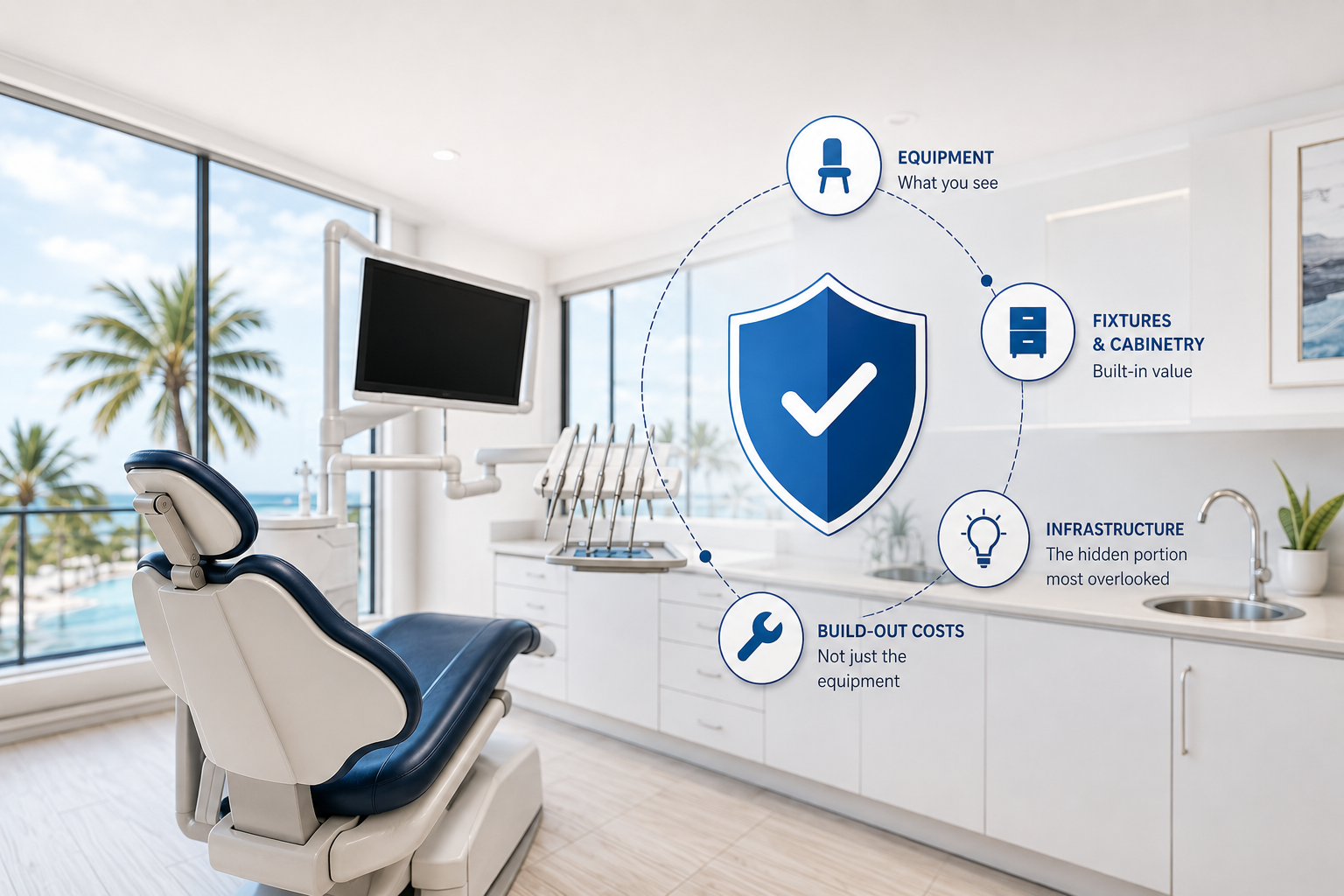
How much is enough? Defining business personal property and uncovering the “hidden” portion many practice owners miss
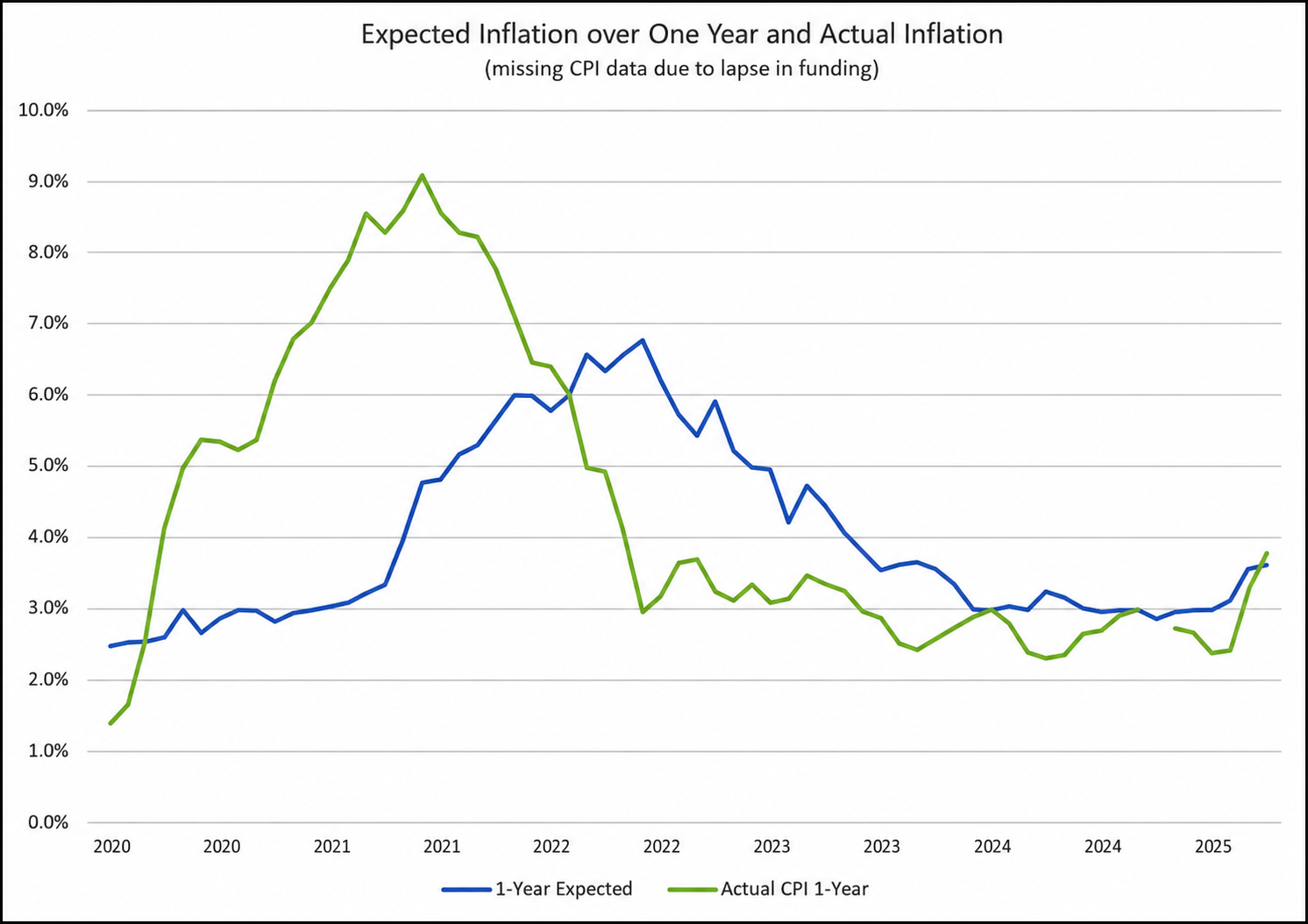
The Benefits of COLA
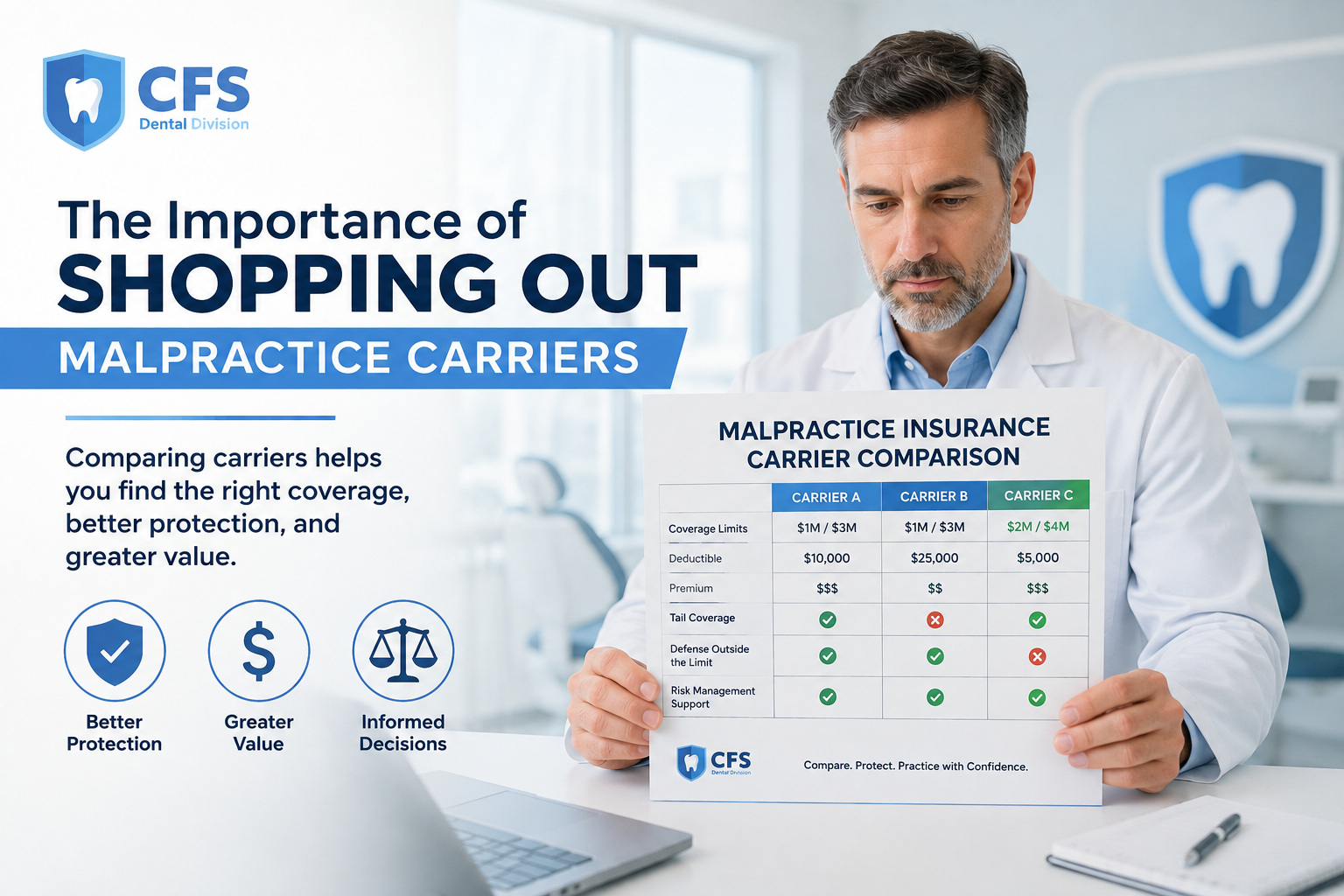
The Importance of Shopping Out Malpractice Carriers

Surplus Lines Insurance: What It Is, Why It Exists, and When You Might Need It

Why Focusing on Protection - Not Just Price - Is Most Important When Buying Business Insurance For Your Dental Practice.