How much is enough? Defining business personal property and uncovering the “hidden” portion many practice owners miss
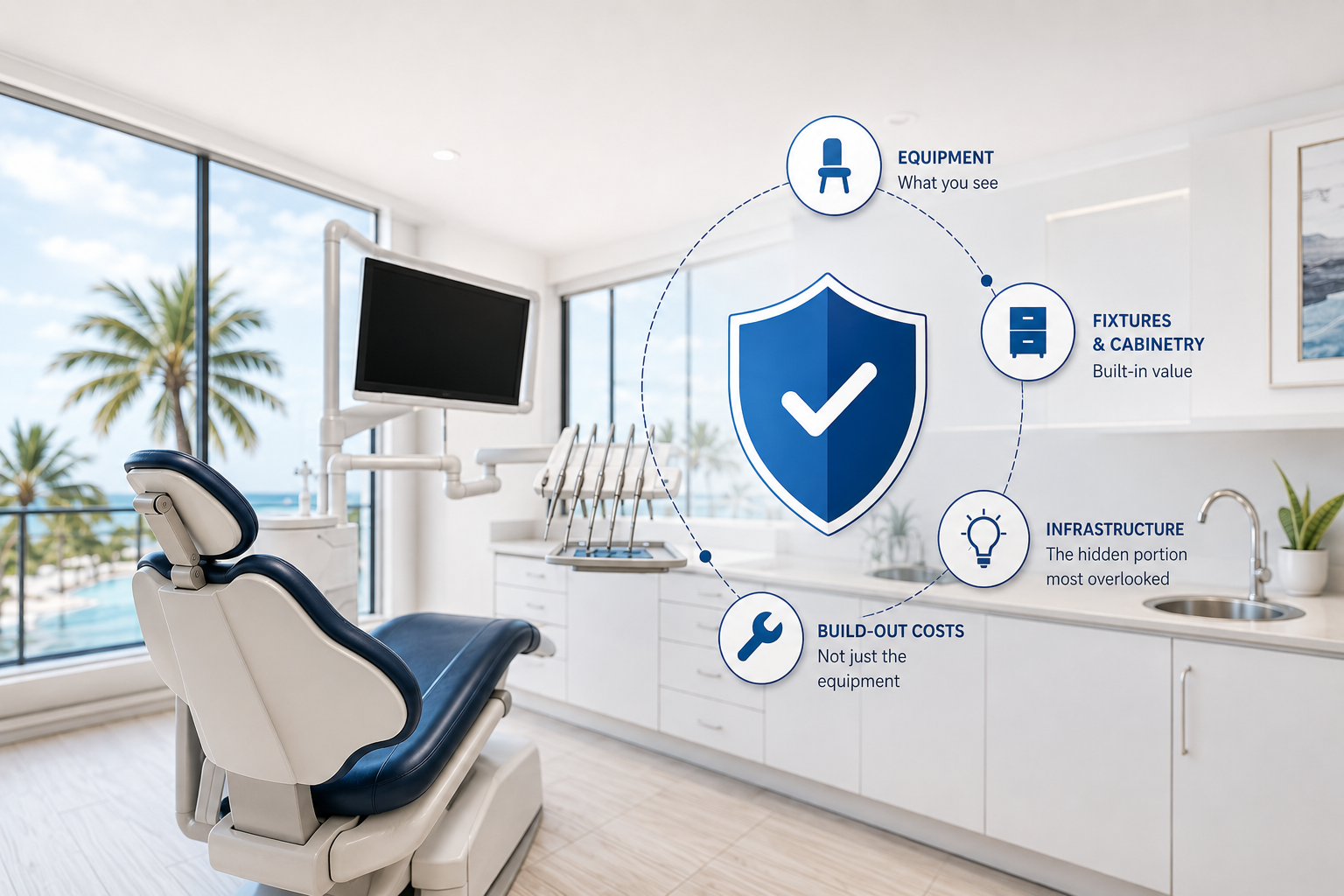
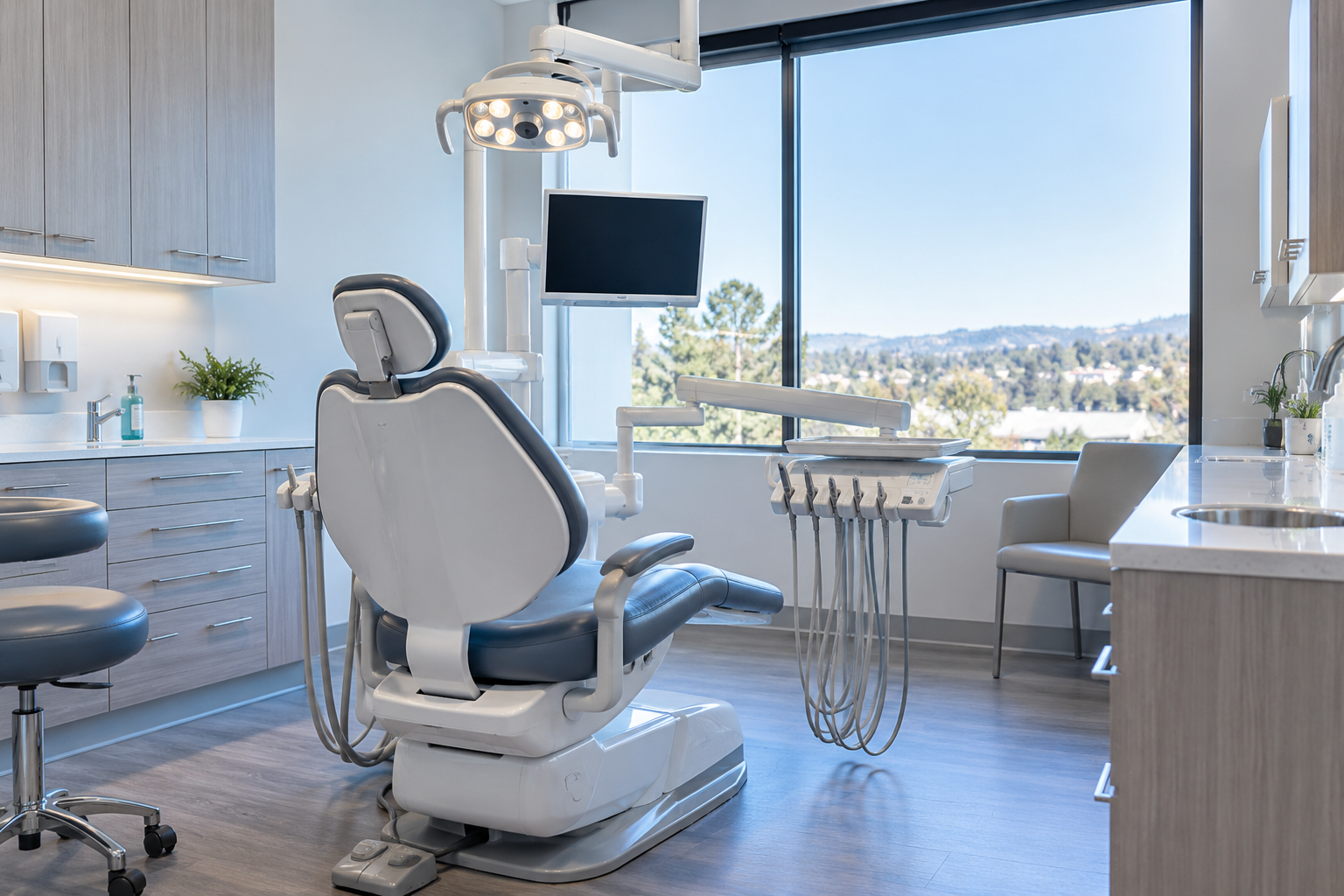
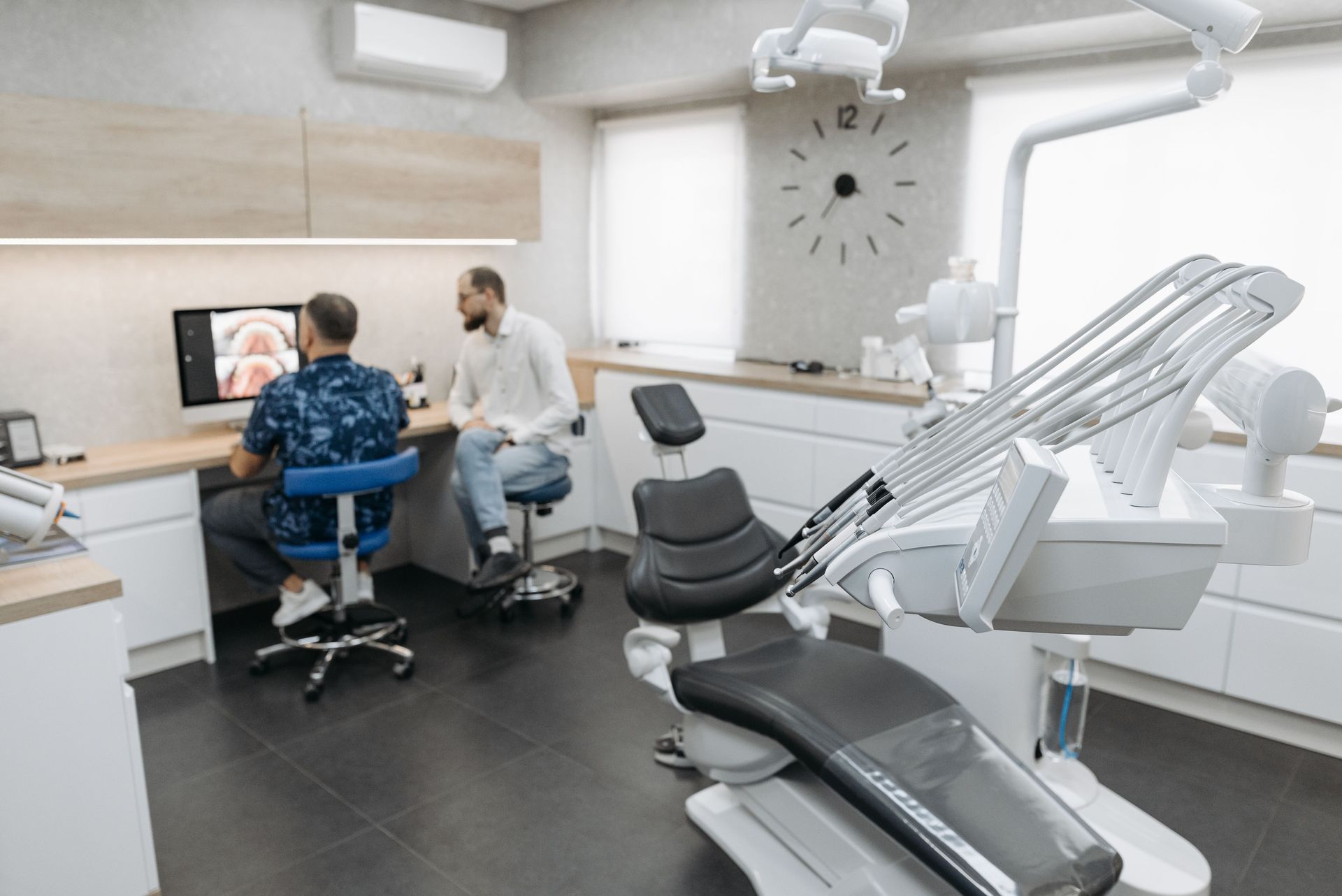
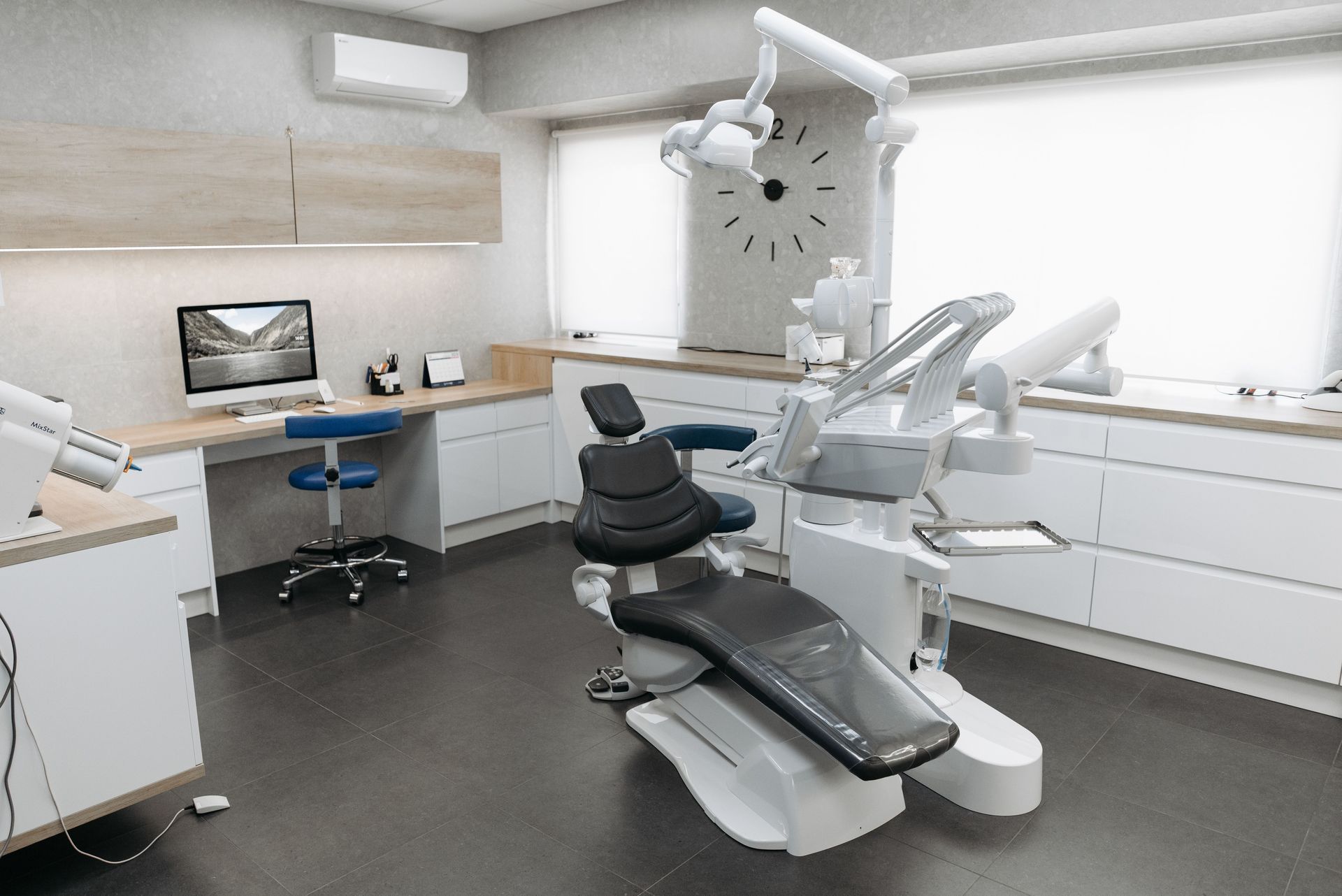
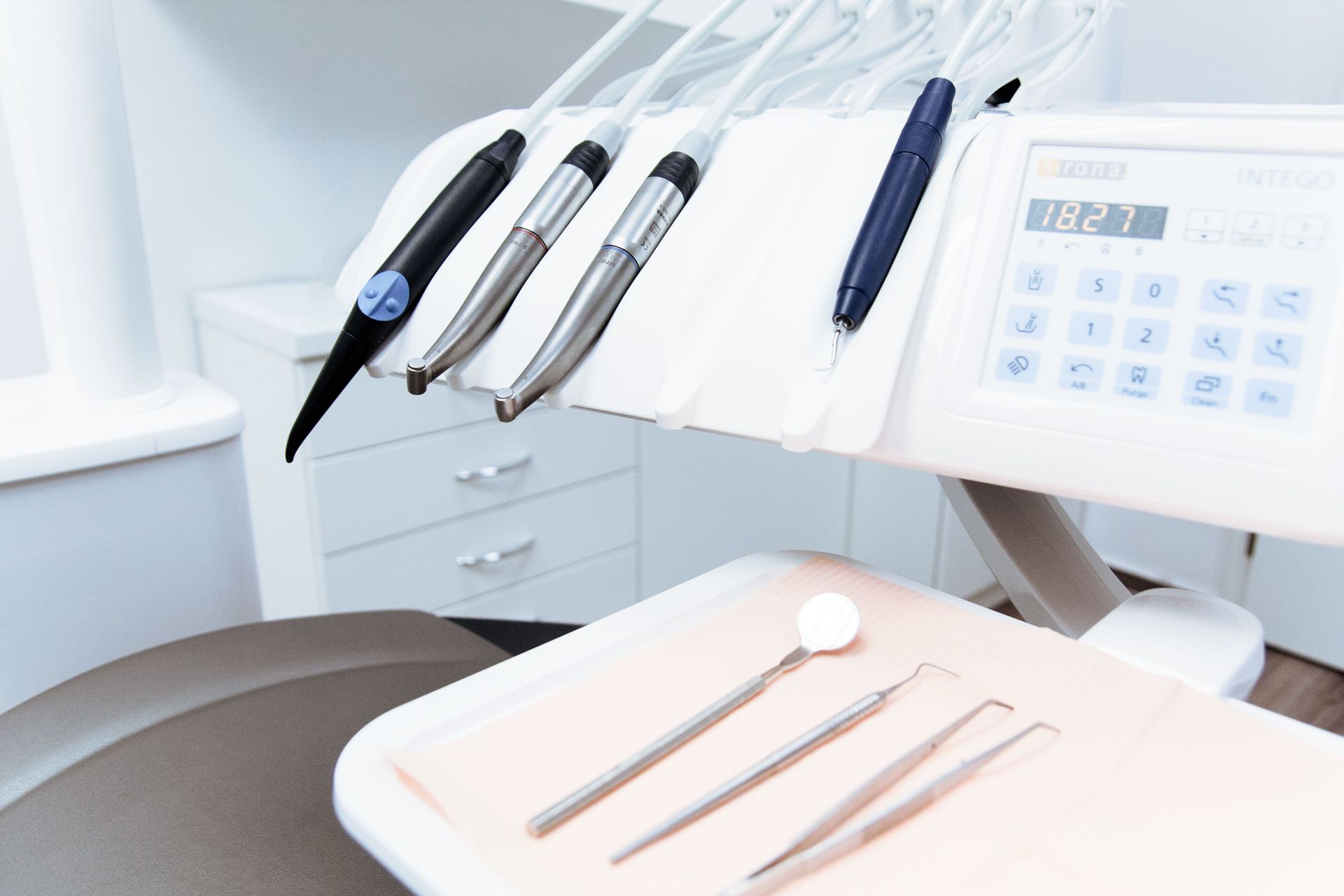
Within the broad category of Property Insurance, Business Personal Property (BPP) is the aggregate total of all equipment within a given space that supports the operations of the business. Many practice owners believe this coverage is limited to their industry specific equipment, such as lasers, 3D printers, scanners, computers, chairs, etc. Although these items are at the forefront of costs to equip an office, there are many commonplace fixtures that need to be included as well in determining the overall amount, such as furniture for the waiting area, cabinets within the operatories, art, and even breakroom appliances. All of these items have a place in supporting the operations of the business, whether it’s making the office an aesthetically welcoming space or providing a fully-equipped staff lounge so your employees can rest and recharge before seeing patients again.
The above-mentioned items are visible to the eye, and so it’s easy to understand that their value needs to be accounted for. There are “hidden” components of every office though that many dental practice owners don’t think about, as it’s just expected that they will work. These “hidden” components are made up of the infrastructure of the office.
Start-up dental practice owners are acutely aware of the cost of the infrastructure, as they hire their General Contractor’s (GC’s) to build out their practice from a shell space. A shell space is an empty room comprised of the foundation, sub-floor, external walls and windows, and roof. Each element of the infrastructure, such as the wiring and overall electric placement, plumbing that reaches each operatory, demising walls giving the office an internal structure and floor plan, are line items that a GC prices out and provides an overall bid for the work. Start-up owners understand that they are responsible for every component that they are installing in the space, so when having the conversation about how much property coverage is enough, they’re comfortable insuring the total value of what the office cost to buildout.
With an acquisition, the infrastructure is already in place, so it’s not on the radar for a doctor who is instead reviewing charts and reports detailing monthly new patient flow, production by procedure, AR aging, etc. Many doctors wrongly assume that the infrastructure is the responsibility of the building owner, however, a lease typically contains language that specifies that the building owner is only responsible for the maintenance of the exterior walls, the roof, the foundation, and any common areas in the building. This means that the “hidden” infrastructure of the office is instead the responsibility of the tenant to maintain and repair as needed, and it’s hard for a doctor who is acquiring the office to determine what an appropriate value is, as the replacement cost of these improvements can vary based on geographical market rates, materials costs, and the speed at which a repair is needed to be made.
One common misconception is that when an asset purchase agreement lists out the total equipment value for the office, that is the sole amount that the acquiring doctor needs to insure. It’s within the seller’s best interest to minimize the value of the equipment being sold, as it reduces the overall taxes the seller must pay post-sale. Oftentimes, the seller provides the depreciated value of the equipment as the total equipment cost, which isn’t the actual cost that one would need to replace said item if there was damage or equipment breakdown. It’s just a dollar cost that’s been reduced over time for tax purposes. Additionally, the valuation often over-weights goodwill in the purchase price because it’s more advantageous for the seller than a higher equipment transfer value, so it’s recommended to take stock with what is being transferred and talk to an equipment rep about their true value and the costs to replace as needed.
The “hidden” infrastructure costs can be a challenge to determine, but for any doctors acquiring an office, they can touch base with our advisors here: (Our Team) and we can discuss the doctor’s specific geographic area, the total square footage of the office, the number of operatories, and the types of procedures that they perform to come up with the answer of how much property coverage is enough for their office.
Written by: Conor T DePalma, Director of National Partnerships | CFS Dental Division