1099 vs. W2 for Dental Professionals: What No One Really Explains

Understanding the Real Difference Between 1099 and W-2 Dentistry
Contact Us Today
When you are a dentist, associate, or specialist and are trying to make the decision on whether to work as a 1099 or W2, you have likely heard the same old worn-out arguments: 1099 is better for write-offs, or W2 is better for benefits. Both are technically true, yet neither of them tell the whole story. It is not only the difference between the two in terms of taxes, but also the way you prefer to live and work every day.
The Predictability and Simplicity of Being a W-2 Dentist
Being a W2, life is a little more predictable. There are automatic withholding taxes, you receive standard benefits such as health insurance, malpractice, possibly a 401(k), and some CE or PTO. It is predictable, well-organized, and simple to manage. This arrangement is attractive to most associates, especially at the beginning of their careers. You are able to concentrate on mastering your dentistry skills and do not have to concern yourself with quarterly tax and business deductions; you can do your taxes simply through an online software. It is the plug-and-play version of your career: you come in, work hard, and leave. The downside here is that you sacrifice a certain degree of control; you can't write off costs as easily, your schedule may be predetermined, and your income potential is limited unless production-based bonuses are high. However, the peace of mind and ease are worth it to many.
The Flexibility and Responsibility of a 1099 Arrangement
Now, when you take a 1099 offer, that is a whole different game. You are not merely a dentist; you are a small business. You are more flexible and have more opportunities to design your income the way you want. CE courses, scrubs, supplies, travel, and part of your home office can be written off. If you are a car person (like me), you can take advantage of Section 179 of the tax code and be able to write off a business deduction for a vehicle over 6,000 pounds, think Bentley Bentayga and Mercedes G-Wagon. You choose the way you spend your money and construct your way of life. However, this comes with the responsibility, quarterly tax payments, and spending money to get a qualified CPA, instead of possibly doing your taxes through a low-cost version of TurboTax if you were W-2. Some love it, some don't.
Choosing the Structure That Best Suits Your Life and Goals
No universal solution fits all, and that is what people jump over. The final determination lies in the fact that you know what arrangement will suit your goals and life. The point is understanding what you are really getting yourself into before signing a contract.
Written by: Vinny Grasso

When buying or selling a dental practice, there are several things to coordinate: financing, contracts, employees, equipment, leases, and closing dates. Insurance is one of the most important pieces, and the time to address it is early rather than later.

Wondering if your dental malpractice premium still makes sense? See how our annual review and remarketing process works, and when to shop the market.

Dental Malpractice Insurance in New York: What Every Dentist Should Know

A plain English look at how dental malpractice insurance works in California, plus the questions our team walks through with practice owners. Let's talk.
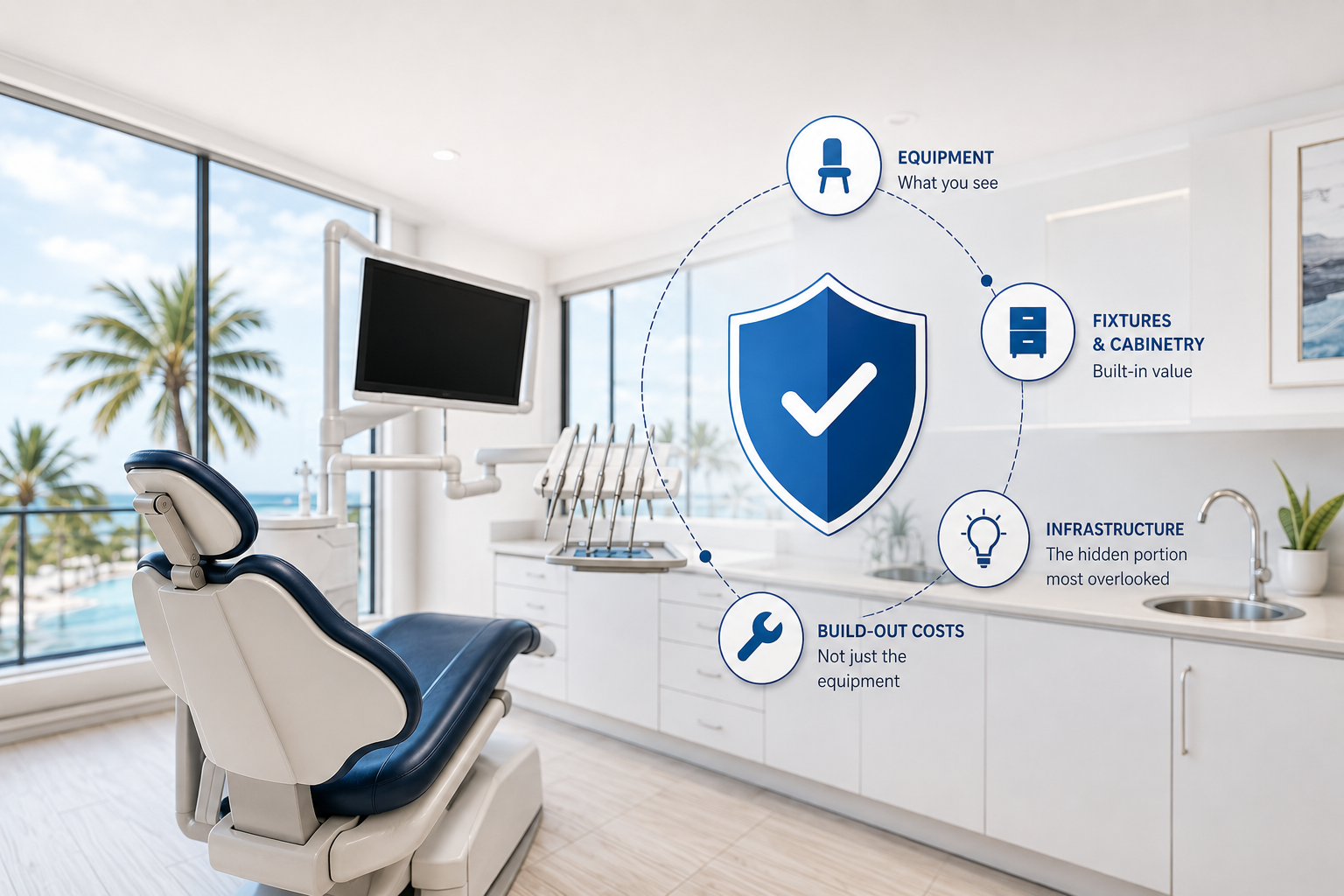
How much is enough? Defining business personal property and uncovering the “hidden” portion many practice owners miss
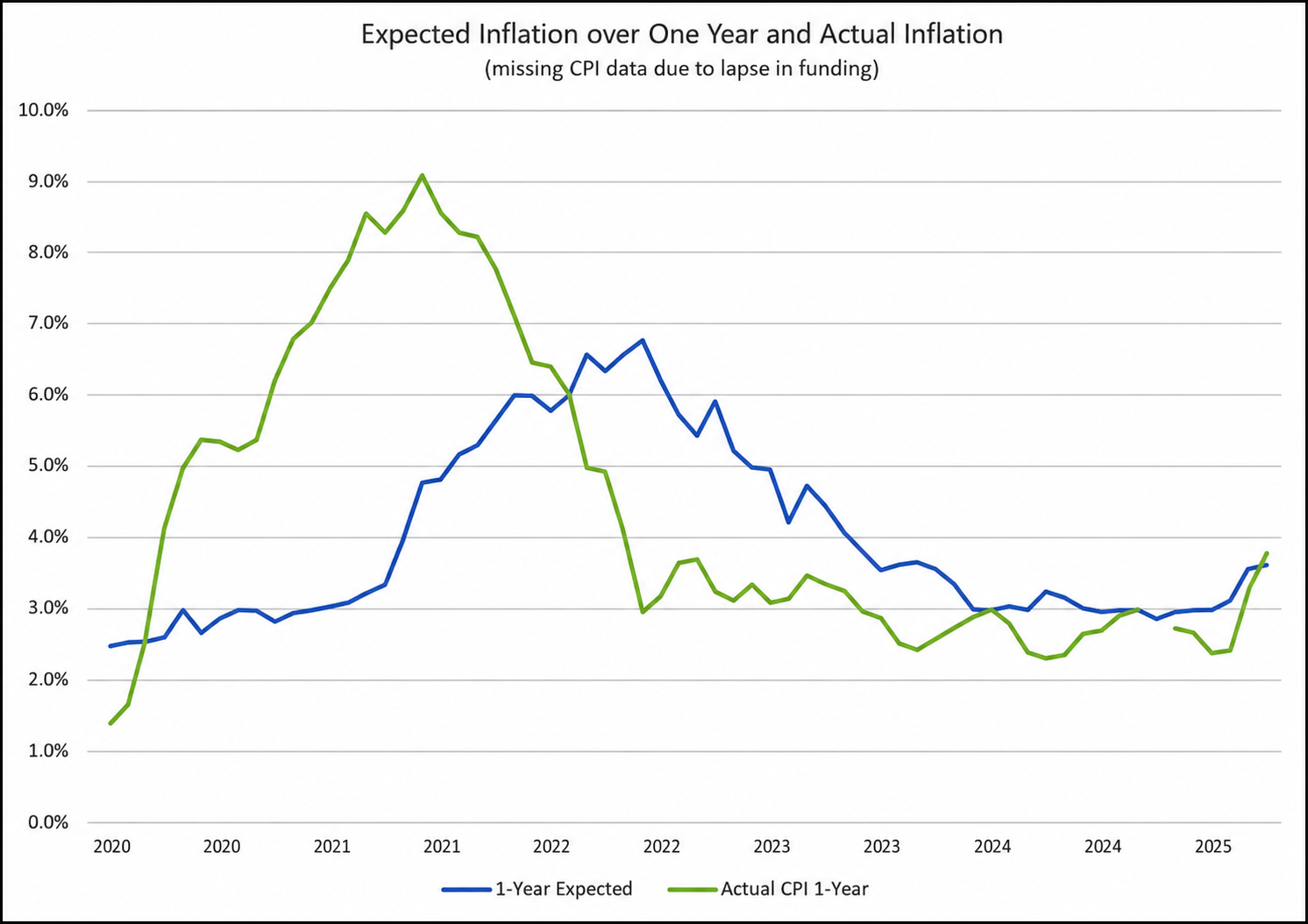
The Benefits of COLA
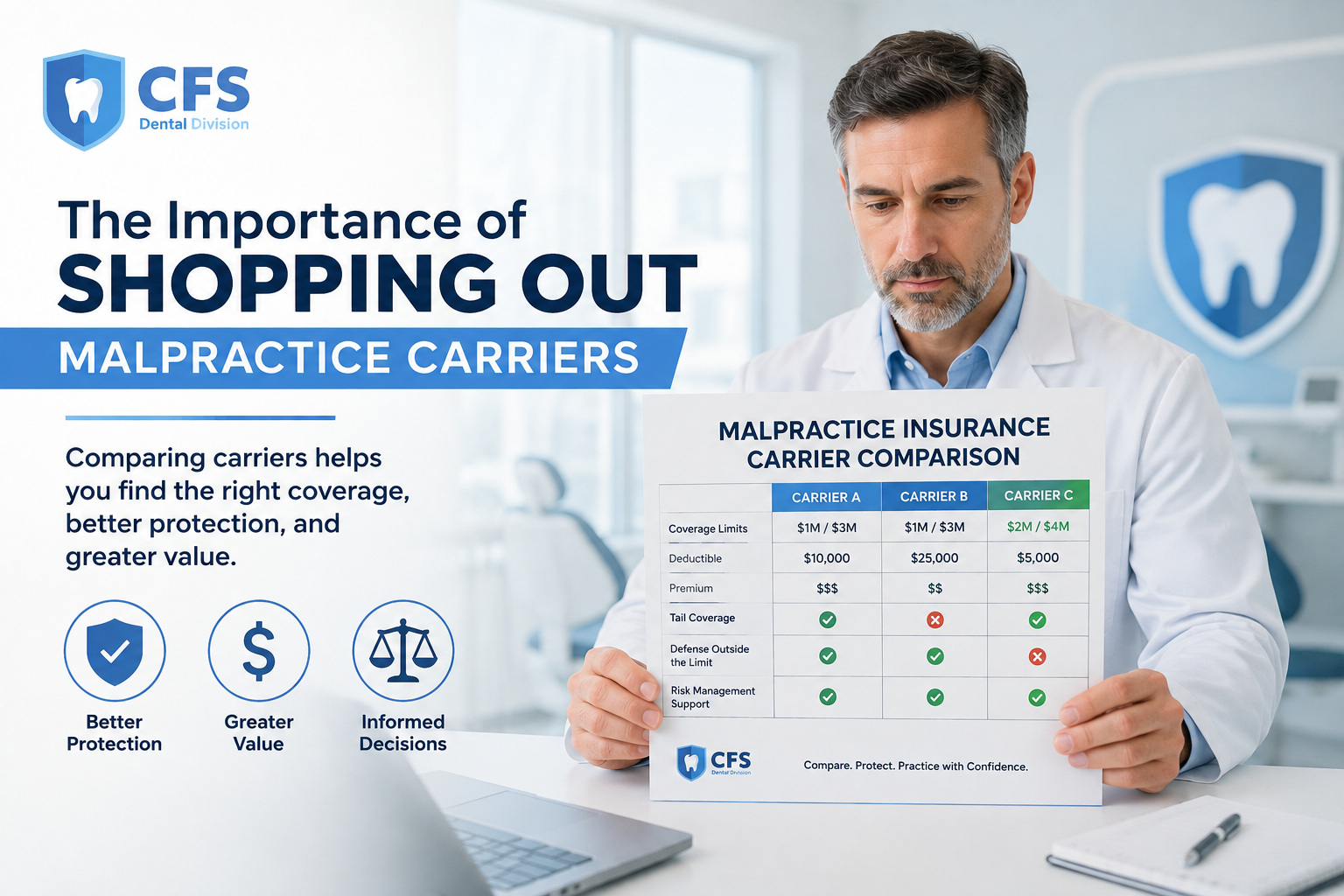
The Importance of Shopping Out Malpractice Carriers

Surplus Lines Insurance: What It Is, Why It Exists, and When You Might Need It

Why Focusing on Protection - Not Just Price - Is Most Important When Buying Business Insurance For Your Dental Practice.
Buying Your First Dental Practice: An Insurance Checklist for New Owners