Advancements in Disability and Life Insurance Underwriting Since the Turn of the Millennia

What is Life and Disability Insurance Underwriting?
Contact Us Today
There are two components used in underwriting Life and Disability insurance
- Medical Underwriting: is used to identify risk in a person’s health history and lifestyle when applying for an insurance policy.
- Financial Underwriting: is used to evaluate an applicant’s financial situation, income, assets, and debts for the same purpose as Medical Underwriting.
In this article we will look at changes made to these processes since entering the 21st century.
What has changed in the last 26 years?
- Accelerated and Simplified: The largest change one may notice is the increased efficiency in which a policy may be issued. Insurers removing the need for physical medical exams, blood tests, and extensive attending physician statements for many applicants has greatly helped in speeding up the issue of policies.
- Use of Data Resources: Underwriters have a much larger pool of data to draw from than in years past. More obvious sources include MIB (Medical Information Bureau), motor vehicle reports (MVR), prescription histories, and credit scores. Lesser-known sources for data collection may include use of data from wearable devices, health apps, and public records (given consent from the consumer). These can be invaluable resources when assessing risk.
- AI: Artificial Intelligence is capable of automating data collection, performing predictive risk modeling, identifying patterns, and making instant decisions for simple cases. These tools allow human underwriters the time and energy to focus on complex cases. Advancements like these in underwriting cannot be understated in their usefulness.
- Personalization: In the effort to make the experience more comfortable for customers, there has been a shift towards digital applications, tele-underwriting (remote interviews), and virtual medical exams. This personalization extends to pricing, with some models offering dynamic premiums based on real-time data and health behaviors.
The ease provided by these developments in not only technology, but also in information processing have been crucial to the underwriting landscape as we currently know it. While the previous advancements have been on the side of the underwriters, the following reflect more on the societal and regulatory changes that have occurred in the timeframe we are discussing.
- Privacy: With the new data collection resources underwriters have access to, concerns regarding privacy have been rightly raised. Insurers are now more scrutinized on the transparency of how data is collected and used in regards to building customer trust and regulation compliance.
- Mental Health: With disability policies, we’ve seen insurers pivot towards more often offering coverage for mental health condition spurred on by societal views and demands as understanding around mental wellness expands.
We can see that through these advances in underwriting that insurers, who can appear to be flippant in their requirements for coverage, have been hard at work refining their methods to better fit the needs of the now. In the insurance industry, often considered slow-changing for several reasons including some companies reliance on antiquated systems; high levels of regulation on the state and federal level; risk aversion creating a cautious environment that does not handle quick changes well; and a cyclical presence in the market more easily handled by having a reactive approach opposed to proactive, it is plain as day that the industry is capable of growing and adapting to this ever-evolving world.
Written by: Jerold Dougherty

When buying or selling a dental practice, there are several things to coordinate: financing, contracts, employees, equipment, leases, and closing dates. Insurance is one of the most important pieces, and the time to address it is early rather than later.

Wondering if your dental malpractice premium still makes sense? See how our annual review and remarketing process works, and when to shop the market.

Dental Malpractice Insurance in New York: What Every Dentist Should Know

A plain English look at how dental malpractice insurance works in California, plus the questions our team walks through with practice owners. Let's talk.
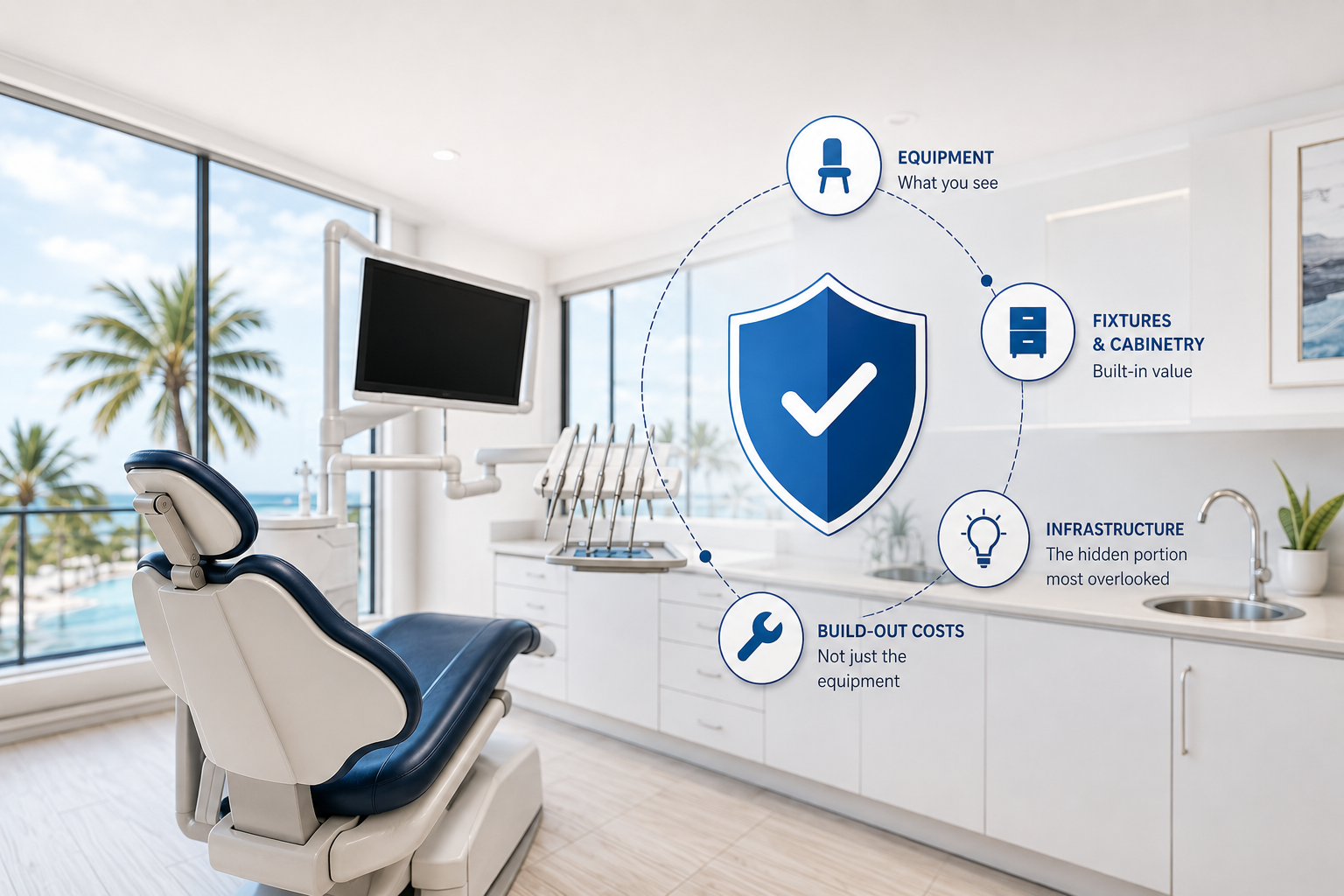
How much is enough? Defining business personal property and uncovering the “hidden” portion many practice owners miss
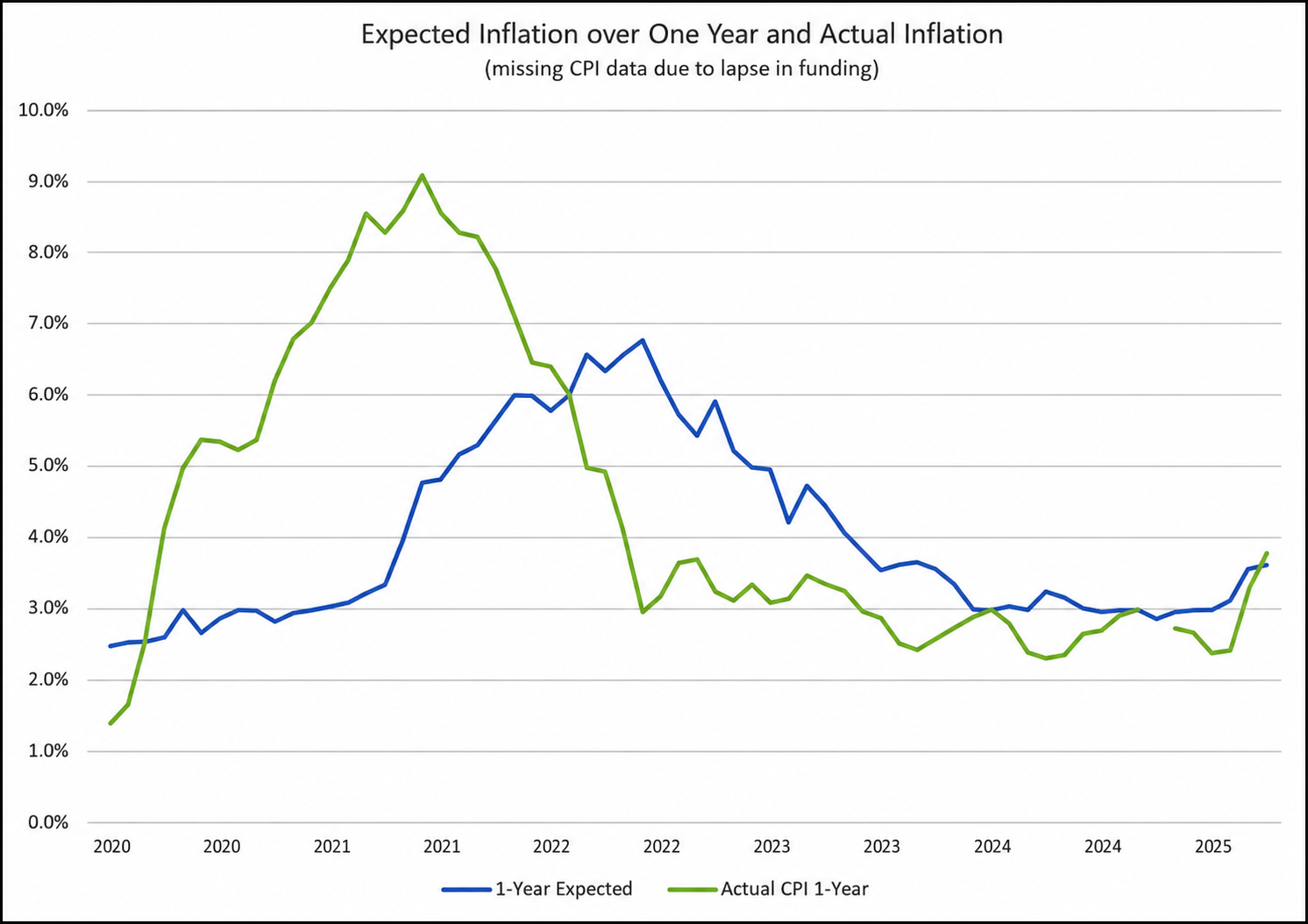
The Benefits of COLA
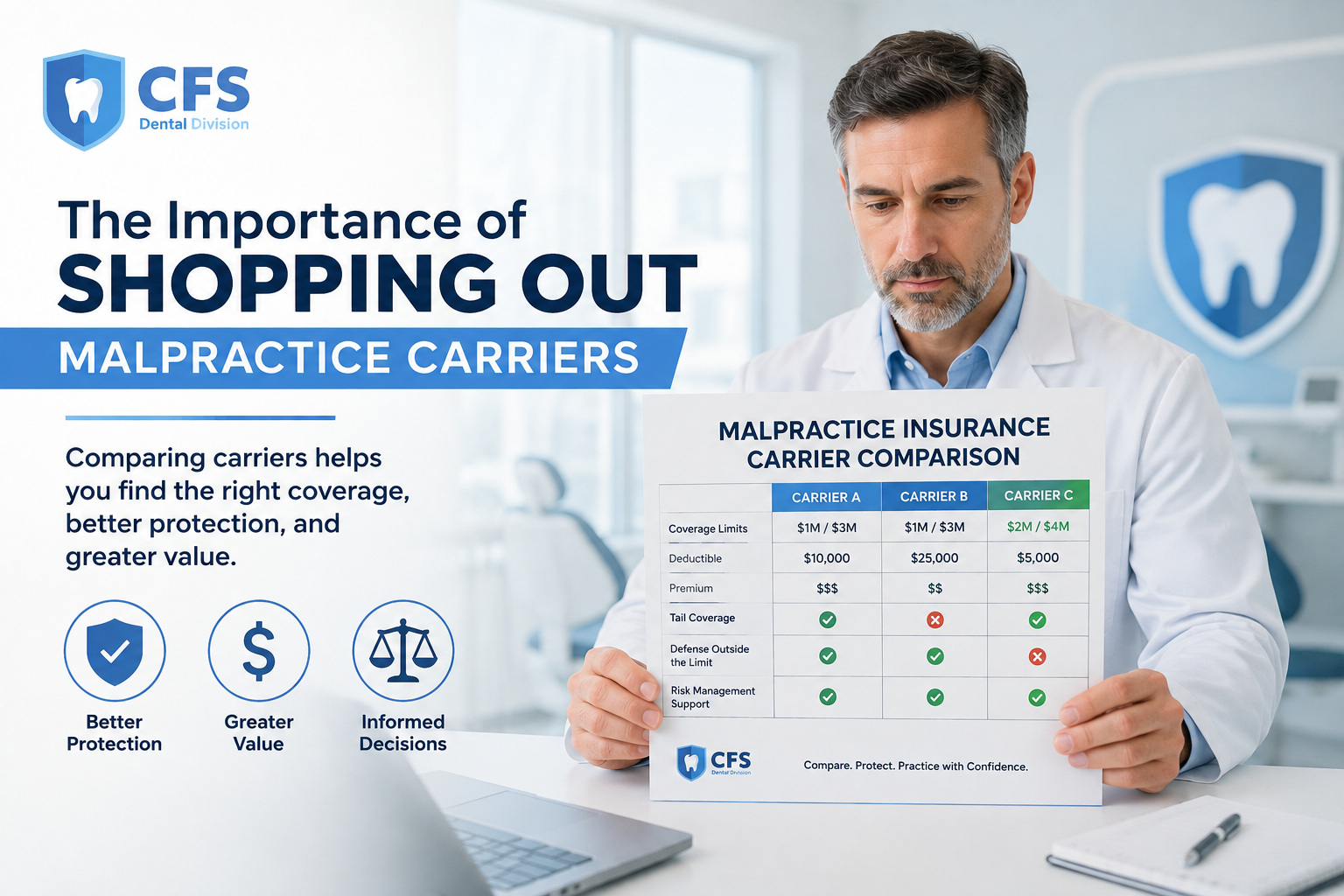
The Importance of Shopping Out Malpractice Carriers

Surplus Lines Insurance: What It Is, Why It Exists, and When You Might Need It

Why Focusing on Protection - Not Just Price - Is Most Important When Buying Business Insurance For Your Dental Practice.

Buying Your First Dental Practice: An Insurance Checklist for New Owners