The Building Blocks to Insuring Your Start-Up
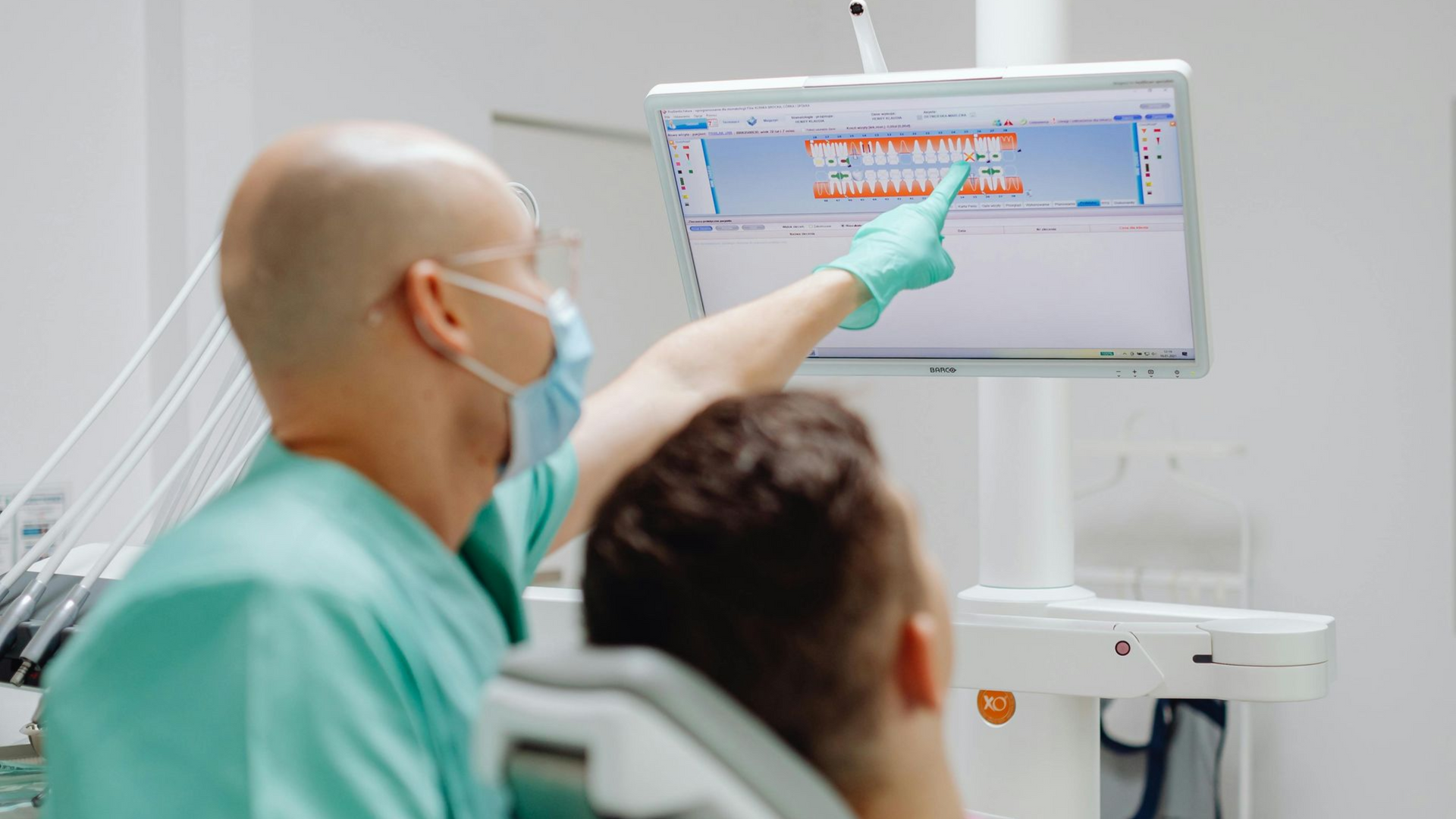
When it comes to opening a Start-Up Dental Practice, making sure you are properly insuring your business is one of the many tasks on your to-do list. Thankfully, we can help take that burden off your back by not only providing these insurances for you but educating you along the way, so you feel comfortable and knowledgeable in what you are carrying to protect yourself and your business.
Contact Us Today
Start-Up practices come with a time period where you have physical possession of your leased or owned space, but you are not operating your business yet. During this period your business is being built to bring your design vision to life.
Once the lease or your property closing documents are signed, two important insurances that you will be required to have by the landlord and/or bank is General Liability and Builders Risk Insurance.
General Liability Insurance
ensures protection against any outlying claims that are not related to direct dental work. For example, if someone were to get injured on your property, General Liability Insurance would provide coverage related to bodily injuries, property damage, and reputable harm. This type of policy protects you and your practice from legal costs, settlements, and judgements arising from such claims.
Builders Risk Insurance
is a property insurance policy that is designed to cover property during construction. This policy protects buildings and structures as well as materials and supplies from numerous risks. Some examples of those risks are fire, lightning, hail, theft, vandalism, explosions, etc. This type of coverage is often needed to be supplemented by a General Liability policy to fully cover a renovation of construction project.
Once construction is complete and equipment begins to arrive at your practice, these policies get cancelled and transitioned into a new comprehensive policy called a “Business Owners Policy.”
What is a Business Owner’s Policy and How Does It Work?
A Business Owner’s Policy is built of 5 major components
• Business Personal Property Insurance – coverage for your equipment, furniture, fixtures, computers, etc.
• Cyber Liability and Data Breach Coverage
• Employment Practices Liability Insurance
• Business Income Interruption Insurance - coverage for lost income for the practice if there is property damage that prevents the office from being open and operational.
• Workers Compensation- a state-mandated insurance that provides your employees with medical, wage, and other benefits if a work-related injury and/or illness occurs while on the job.
Now that we have simplified insurance, you can start your journey on building your plan by contacting your local CFS Representative to learn more!
Written by: Nick Cepparulo
When buying or selling a dental practice, there are several things to coordinate: financing, contracts, employees, equipment, leases, and closing dates. Insurance is one of the most important pieces, and the time to address it is early rather than later.

Wondering if your dental malpractice premium still makes sense? See how our annual review and remarketing process works, and when to shop the market.

Dental Malpractice Insurance in New York: What Every Dentist Should Know

A plain English look at how dental malpractice insurance works in California, plus the questions our team walks through with practice owners. Let's talk.
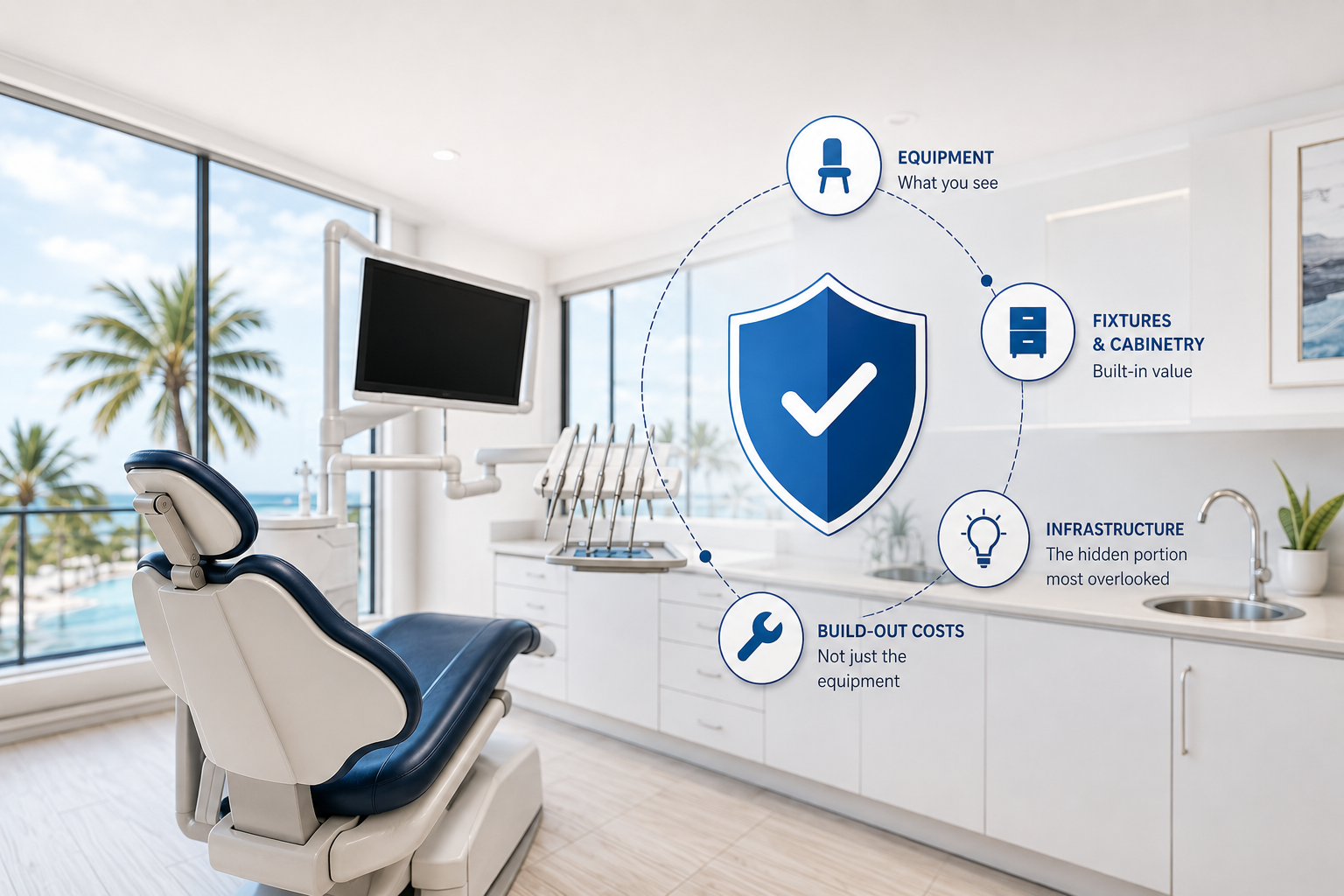
How much is enough? Defining business personal property and uncovering the “hidden” portion many practice owners miss

The Benefits of COLA
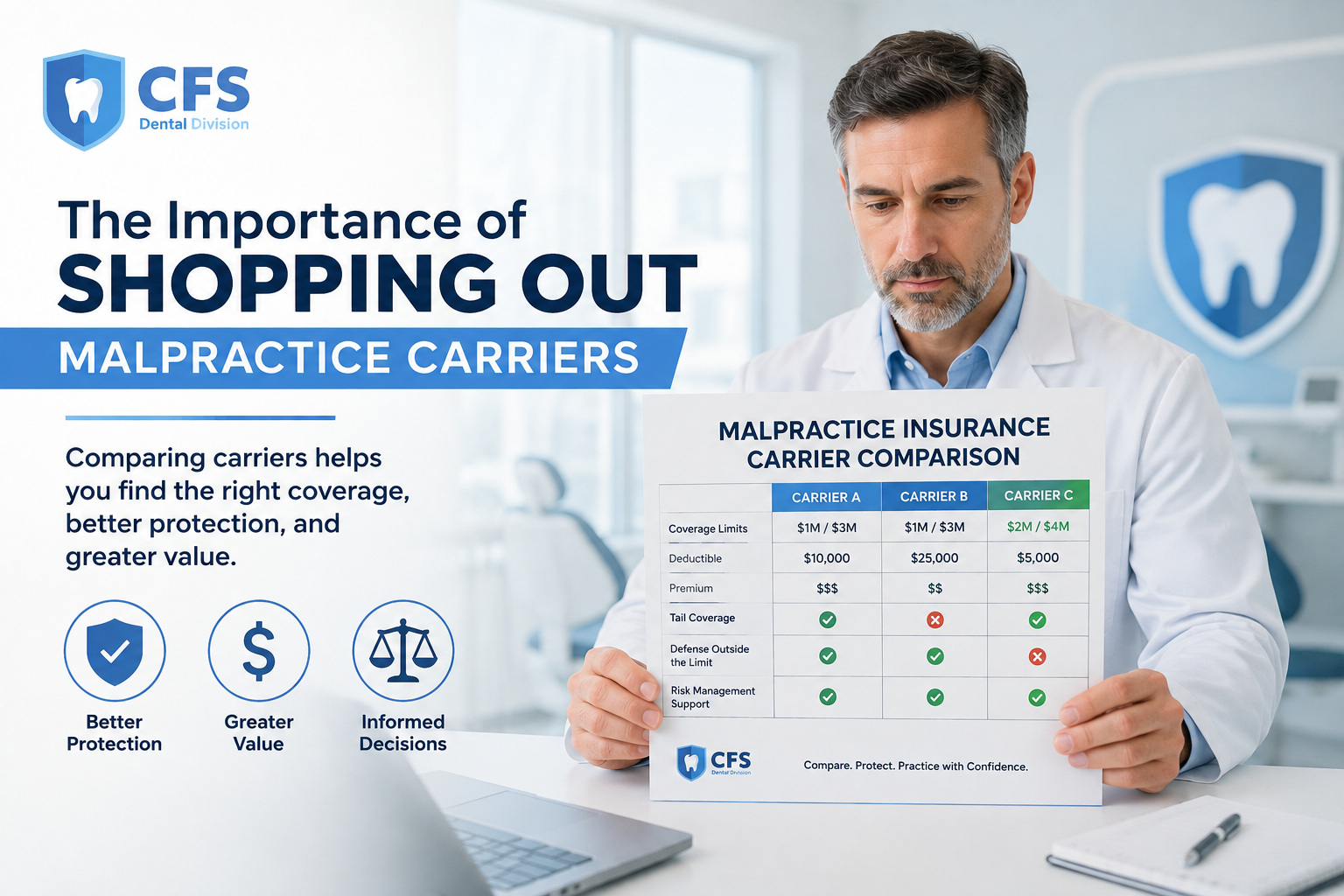
The Importance of Shopping Out Malpractice Carriers

Surplus Lines Insurance: What It Is, Why It Exists, and When You Might Need It
Why Focusing on Protection - Not Just Price - Is Most Important When Buying Business Insurance For Your Dental Practice.
Buying Your First Dental Practice: An Insurance Checklist for New Owners