Beyond Compliance: Why Sharps Injury Prevention Training Matters in Dentistry
What Sticks? Rethinking Sharps Safety in Modern Dental Offices
Sharps injuries remain one of the most persistent occupational hazards in healthcare, yet they are often underrecognized within dentistry. Dental hygienists, assistants, and dentists routinely work with anesthetic needles, scalers, burs, explorers, ultrasonic inserts, and contaminated instruments in fast‑paced clinical environments where even brief lapses in protocol can result in exposure incidents. While many dental professionals accept these injuries as an unavoidable part of clinical practice, research and federal safety data suggest otherwise. Many sharps injuries are preventable, and inadequate training continues to play a major role in occupational exposure risk.
According to the Centers for Disease Control and Prevention (CDC), approximately 385,000 needlestick and sharps-related injuries occur annually among hospital-based healthcare personnel in the United States, with additional incidents occurring in outpatient and dental settings. Broader national estimates referenced by OSHA place the number closer to 590,000 sharps injuries each year among healthcare workers. Experts also believe a substantial percentage of injuries go unreported, meaning the true number of occupational exposures may be significantly higher than official data suggests.
Research focused specifically on dental hygienists highlights how widespread these incidents are within dentistry. Some studies report that up to 77.6% of dental hygienists surveyed have experienced at least one sharps injury, with averages approaching five incidents per individual over the course of a career. These findings make clear that sharps injuries in dentistry are not isolated events but recurring occupational exposures affecting a large percentage of oral healthcare professionals.
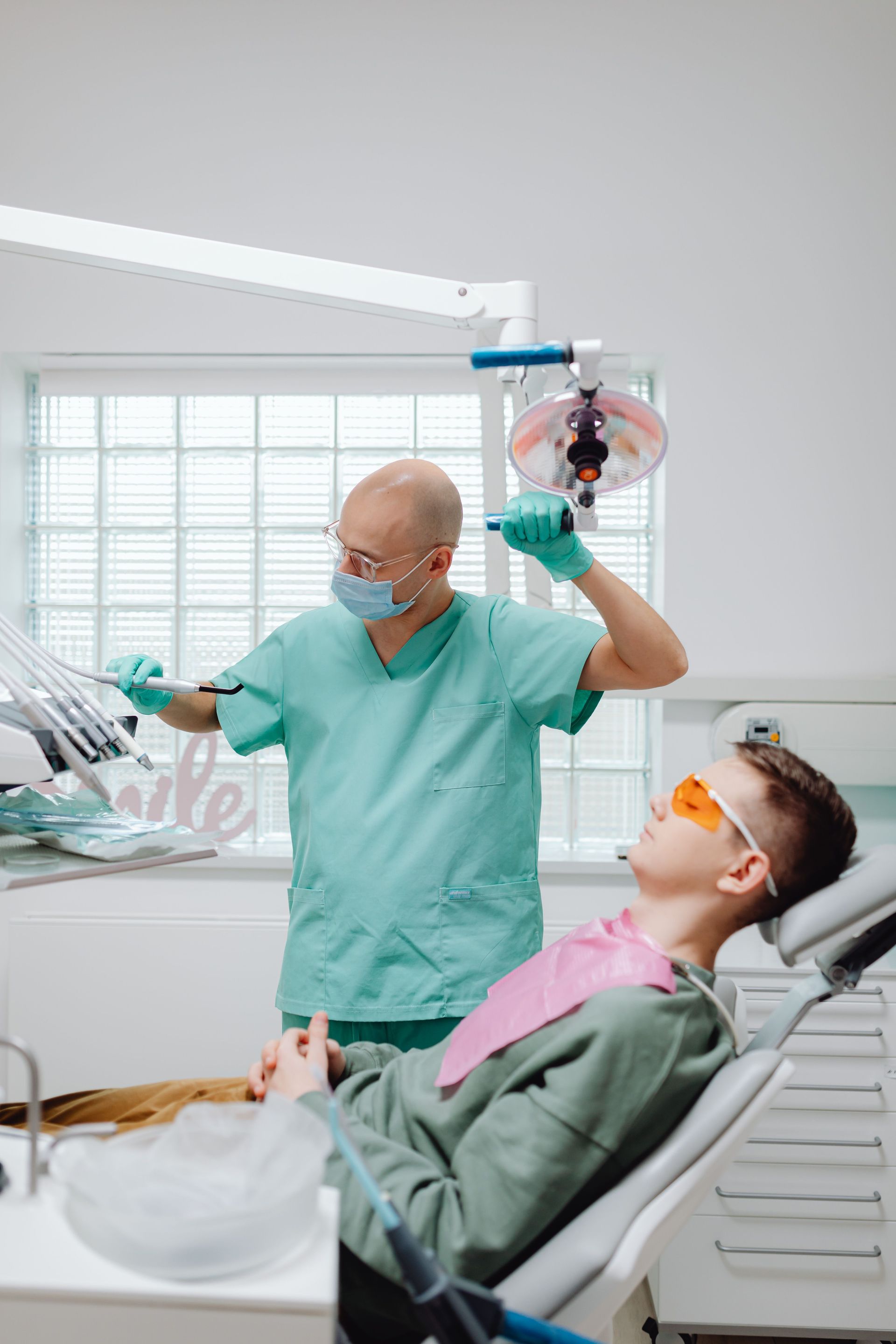
Within dental settings, the risk environment presents unique challenges. Clinicians operate within confined spaces using sharp instruments while maintaining close proximity to blood and saliva. The potential for injury extends far beyond anesthetic needles. Contaminated scalers, ultrasonic tips, burs, explorers, and improperly handled instrument trays all contribute to exposure risk. Importantly, many injuries occur not during active patient treatment, but afterward — during cleanup, recapping, transportation, sterilization, or disposal. These moments are frequently overlooked during workplace training despite representing some of the most preventable exposure scenarios in dentistry.
The consequences of sharps injuries extend far beyond the initial puncture wound. Occupational exposures carry the potential risk of transmission of hepatitis B, hepatitis C, HIV, and other bloodborne pathogens. Although actual disease transmission rates remain relatively low in many cases, the emotional impact on exposed healthcare workers can be significant. Dental professionals may experience weeks or months of anxiety while awaiting laboratory testing and medical follow‑up. Despite these risks, underreporting remains a major concern. Many clinicians fail to report sharps injuries because they perceive the incident as minor, fear workplace judgment, or find reporting procedures inconvenient. In smaller dental practices, employees may feel pressure to continue working without formally documenting the event.
Federal regulations clearly establish employer responsibilities regarding sharps safety and bloodborne pathogen exposure prevention. OSHA’s Bloodborne Pathogens Standard requires employers to maintain exposure control plans, provide annual training, and implement engineering controls when feasible. The Needlestick Safety and Prevention Act further strengthened these protections by emphasizing the use of safer medical devices and involving frontline healthcare workers in safety evaluations.
However, compliance alone does not create a safe workplace culture. In many dental offices, annual bloodborne pathogen training becomes a routine administrative task rather than an opportunity for meaningful education. Employees may complete online modules or sign paperwork without participating in hands‑on demonstrations or scenario‑based discussions. As a result, gaps often remain in day‑to‑day sharps handling practices.
One major contributor to sharps injuries is rushed workflow. Dental hygienists frequently manage tightly scheduled appointments with limited turnover time between patients. Under these conditions, clinicians may unintentionally bypass safer practices in favor of efficiency. Improper recapping, overfilled sharps containers, unsafe instrument transfer techniques, and delayed disposal of contaminated sharps become more likely when productivity takes priority over safety.
Inconsistent office protocols also contribute to exposure risk. In some practices, providers develop individual habits for handling needles and contaminated instruments, creating confusion among assistants and hygienists who work with multiple clinicians throughout the day. Without standardized procedures, safety becomes dependent on personal preference rather than evidence‑based practice.
Reducing sharps injuries in dentistry requires more than meeting minimum regulatory requirements. Effective prevention begins with comprehensive training programs that focus on practical application rather than passive compliance. New employee onboarding should include hands‑on demonstrations of sharps handling procedures, exposure response protocols, and sterilization workflows. Annual training should reinforce these principles through case studies, simulations, and discussion of real‑world incidents.
Standardized office protocols are equally important. Every member of the dental team should understand consistent procedures for instrument transfer, recapping, disposal, and exposure reporting. Sharps containers should remain easily accessible in every operatory and replaced before becoming overfilled. Offices should also establish clear post‑exposure response plans so employees know exactly whom to notify, where to seek medical evaluation, and how incidents will be documented.
Most importantly, dental offices must foster a workplace culture that encourages reporting without fear of embarrassment or punishment. Sharps injuries should be treated as opportunities for system improvement rather than personal failure. Open discussion of near misses and exposure incidents can help identify recurring hazards before more serious injuries occur.
Sharps injuries in dentistry are often viewed as inevitable occupational risks, yet current evidence suggests many exposures result from preventable system failures rather than unavoidable accidents. Protecting dental professionals requires more than annual compliance training — it requires intentional investment in education, standardized safety systems, and workplace cultures that prioritize prevention as highly as productivity.
Written by: Jon Christy