Why shopping for your personal & business insurance through a broker is more advantageous than shopping direct through a carrier.

When it comes to protecting your business or personal assets, how you shop for insurance matters just as much as what you buy. While going directly to a single insurance company may seem convenient, working with an independent broker offers significant advantages that can make a real difference when it counts.
Contact Us Today
First, choice matters. A direct insurance company can only offer its own products. A broker, on the other hand, represents multiple carriers. That means instead of getting one option, you get access to a range of coverage forms, pricing structures, and underwriting appetites. This competition often results in better coverage and more competitive premiums.
Second, brokers work for you
— not the insurance company. Their role is to advocate on your behalf, helping you compare policies objectively and understand the fine print. Insurance contracts can be complex, with exclusions and limitations that aren’t always obvious. A broker helps you navigate those details, so you don’t discover gaps in coverage after a claim.
Third, as your needs change, a broker can adapt with you. Whether your business grows, your risks evolve, or the market shifts, a broker can re-shop your policy and negotiate with carriers to ensure your coverage keeps pace.
Finally, when a claim happens, having a broker in your corner can be invaluable.
Instead of facing the carrier alone, you have a professional who understands the process and can help facilitate communication.
To wrap it up, buying direct gives you one perspective. Working with a broker gives you options, advocacy, and expertise — and that combination often leads to stronger protection and better long-term value for you and/or your business.
Written by: Nick Cepparulo

When buying or selling a dental practice, there are several things to coordinate: financing, contracts, employees, equipment, leases, and closing dates. Insurance is one of the most important pieces, and the time to address it is early rather than later.

Wondering if your dental malpractice premium still makes sense? See how our annual review and remarketing process works, and when to shop the market.

Dental Malpractice Insurance in New York: What Every Dentist Should Know

A plain English look at how dental malpractice insurance works in California, plus the questions our team walks through with practice owners. Let's talk.
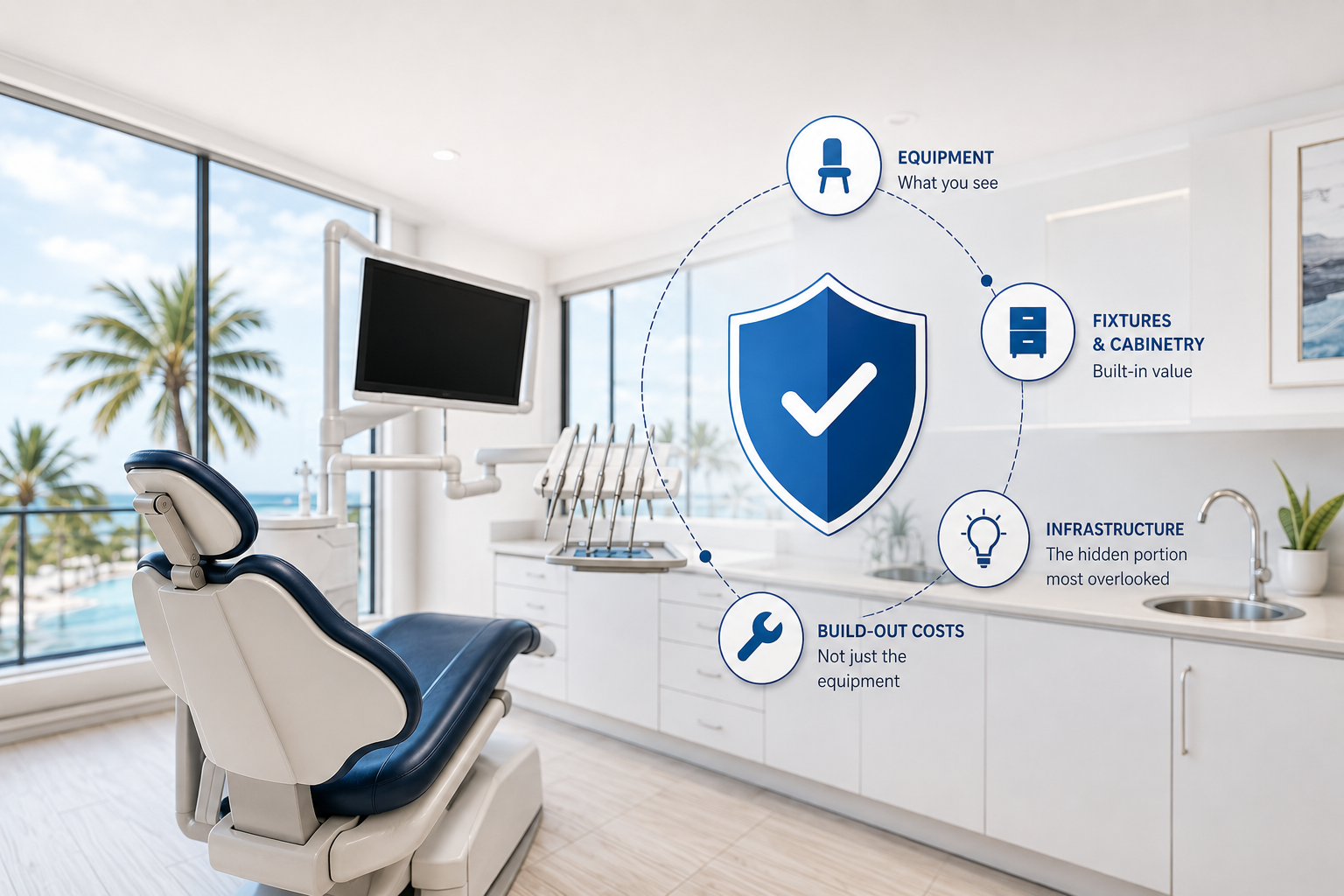
How much is enough? Defining business personal property and uncovering the “hidden” portion many practice owners miss

The Benefits of COLA
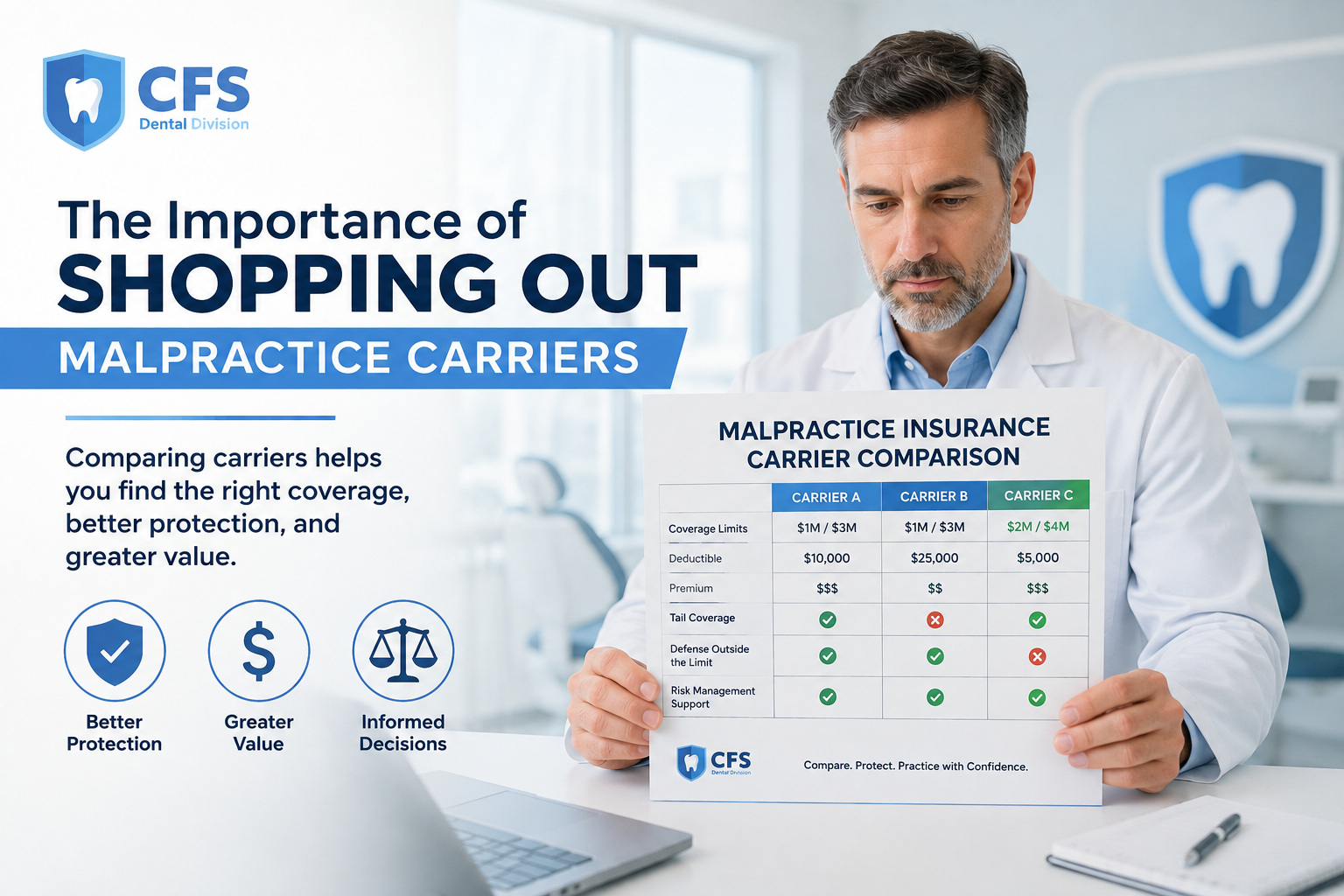
The Importance of Shopping Out Malpractice Carriers

Surplus Lines Insurance: What It Is, Why It Exists, and When You Might Need It

Why Focusing on Protection - Not Just Price - Is Most Important When Buying Business Insurance For Your Dental Practice.

Buying Your First Dental Practice: An Insurance Checklist for New Owners